NYC Vending Machine Permits and Rules: What Hosts and Operators Need to Know in 2026
What permits do you need to operate a vending machine or micro market in NYC? DOHMH rules, commissary requirements, and a host due diligence checklist.
Vivian C.
6 min read
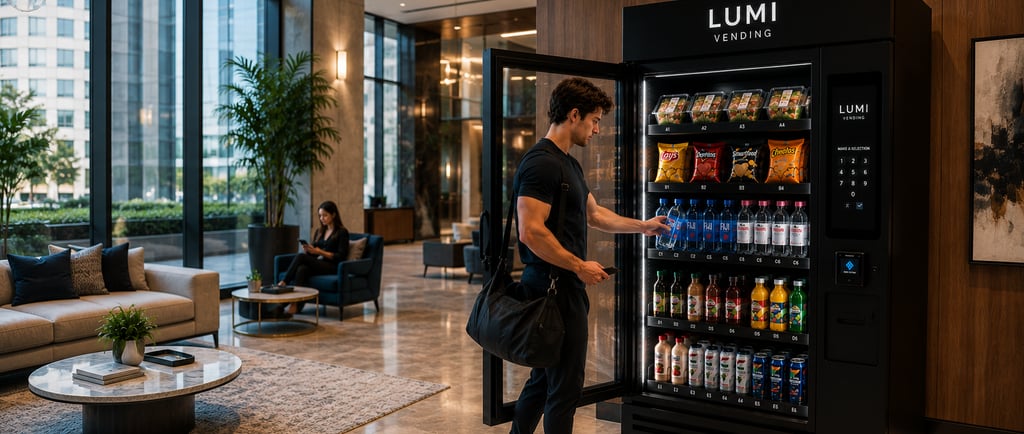
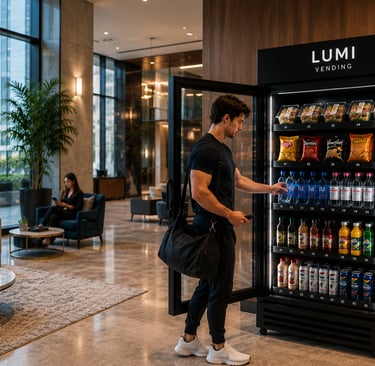
Setting up a vending machine or micro market in New York City sits inside a regulatory framework that almost no one explains clearly. Hosts assume their operator handles everything. Operators sometimes assume the host's building covers it. The result: machines installed without the right paperwork, food categories that quietly drift into regulated territory, and avoidable fines.
This guide walks through the rules that actually apply to vending and unattended retail in NYC in 2026 — what hosts need to know, what operators are responsible for, and where the lines are between simple snack vending, food vending, and full micro markets with fresh and hot food.
Important note: this is a general overview, not legal or regulatory advice. For specific situations, consult NYC DOHMH, MyCity Business directly or a licensed compliance professional.
The 3 regulatory layers that apply to NYC vending
Layer 1: NYC Department of Health and Mental Hygiene (DOHMH)
DOHMH governs food safety for any vending or retail setup that involves food or beverages. The regulations vary based on what's being sold — pre-packaged shelf-stable snacks are treated very differently from refrigerated sandwiches or hot food.
Layer 2: NYC Department of Consumer and Worker Protection (DCWP, formerly DCA)
DCWP handles broader retail business licensing in NYC. Most pre-packaged-only vending operations don't trigger DCWP licensing, but mixed retail operations and certain payment setups may.
Layer 3: State and city tax authority
Vending operators in NYC collect and remit sales tax. New York charges 8.875% combined state and city sales tax on most vending items, though certain food categories (like uncooked grocery items) are exempt. This is the operator's responsibility, but hosts should confirm their operator is properly registered.
What pre-packaged snack vending actually requires
A standard vending machine in NYC stocked exclusively with pre-packaged, shelf-stable items (chips, candy, soda, water, packaged snacks) generally has a light regulatory footprint:
DOHMH food permit: typically not required for fully pre-packaged shelf-stable items in unattended machines
Sales tax: operator must be registered with NY State and collect tax on taxable items
Business registration: operator needs a NY State Certificate of Authority
Liability insurance: standard for any commercial placement (typically $1M general liability minimum)
This is why simple vending is so easy to deploy in NYC — the regulatory bar is low when the food risk is low.
Where things change: refrigerated and prepared food
The moment vending crosses into refrigerated prepared items, the regulatory picture shifts:
Refrigerated pre-packaged items (sandwiches, salads, dairy)
Items requiring temperature control to stay safe (called "time/temperature control for safety" or TCS foods) bring DOHMH oversight into play. The operator typically needs:
A food protection certificate held by the operations manager
Documented temperature monitoring (smart coolers log this automatically)
A vetted source for the prepared items (the commissary)
Proper labeling: ingredients, allergens, dates, source
Hot food (heated cases and hot food vending machines)
There are two ways to serve hot food in an unattended setup, and they have meaningfully different regulatory profiles.
Heated display cases hold prepared food at temperature for hours. The commissary must be a permitted food processing facility, the operator's holding equipment must maintain DOHMH-mandated temperatures, and inspection visits may apply.
Hot food vending machines store items at refrigerated temperatures and heat each item on demand at the moment of purchase. Because the food is held cold rather than hot, the regulatory category is closer to refrigerated TCS storage than to hot holding. The commissary still needs to be a permitted facility, but the operator avoids the continuous hot-holding compliance burden. This is a meaningful simplification for 24/7 unattended operations.
In both cases, the source (commissary) requirements are the same. What differs is how the food is stored after delivery.
Open micro markets with multi-source product
Open shelving setups where customers handle products before purchase are treated more like small retail than traditional vending. This can trigger additional DCWP scrutiny depending on product mix.
The commissary requirement (why it matters)
If a vending or micro market operation in NYC serves fresh sandwiches, salads, hot food, or any item that needs preparation beyond the manufacturer's packaging, those items must come from a commissary — a permitted, inspected food preparation facility — not a home kitchen, not the operator's office, not a third party without certification.
NYC has a range of commissary options across the boroughs, including general food prep facilities in Queens and Brooklyn, kosher-certified commissaries, and halal-certified operations. Operators should hold a written supplier agreement with their commissary that documents food safety standards, delivery schedule, and temperature compliance.
What hosts should verify before signing with any NYC operator
Host due diligence checklist (NYC)
Operator has NY State Certificate of Authority on file
Operator carries minimum $1M general liability insurance, and you're named as additional insured
Operator has Food Protection Certificate(s) if any refrigerated or prepared food will be sold
Operator can produce a DOHMH food service permit for any prepared/hot food micro market
Operator has a written agreement with their commissary if fresh food is involved
Operator handles sales tax collection (you don't have to)
Operator carries product liability separate from general liability
Removal terms are spelled out clearly in your placement agreement
Permits and registrations every NYC vending operator needs
Frequently asked questions
Do I (the host) need any permits to have a vending machine on my property?
Generally no. Permits belong to the operator. As a host, your responsibility is verifying that the operator holds the right paperwork.
Are there any property restrictions on vending machines in NYC?
Co-op and condo boards may have rules. Class A office buildings may require approval. Commercial lease agreements occasionally restrict food retail on the premises. Always check your own lease or governing docs before signing with an operator.
What about NYC commercial lease restrictions on "food service"?
Pre-packaged snack vending is rarely considered food service in commercial leases. Micro markets with fresh or hot food sometimes are. Worth a 10-minute read-through of your lease before scaling to a Phase 2 hot food setup.
Does the type of hot food equipment change the permits I need?
Yes, and this matters more than most people realize. A heated display case that holds prepared food at temperature for hours triggers full hot-holding compliance. A hot food vending machine that stores items cold and heats them on demand at purchase is regulated as refrigerated TCS storage, which is a lighter compliance bar. Both require a permitted commissary source for the prepared items, but the operator's day-to-day obligations differ. Worth knowing before you choose equipment.
How does NYC DOHMH inspect unattended retail?
DOHMH inspectors visit permitted food operations on a schedule. For unattended retail with prepared food, expect periodic temperature checks, labeling review, source documentation review, and a check on the operator's food protection certificate. Pre-packaged-only machines are inspected less often.
What happens if I (the host) have a non-compliant operator and DOHMH shows up?
The operator carries the violation. Your liability is generally limited if the operator is properly registered and you have a clean placement agreement. This is why the due diligence checklist above matters.
A NOTE ON THIS GUIDE
NYC regulations change. DOHMH rules, permit categories, fee structures, sales tax rates, and enforcement priorities all get updated over time, and some of what's accurate in 2026 will look different in 2027. This guide is meant as a starting point for hosts and operators thinking through compliance — not as legal or regulatory advice for a specific situation.
Before signing any placement agreement or launching a new setup, verify the current rules directly with NYC DOHMH, the NY State Department of Taxation and Finance, and (where the stakes warrant it) a licensed attorney or compliance professional. Lumi Vending is happy to share what we've learned operating in the five boroughs, but every location has its own specifics worth confirming.
Setting up vending or a micro market in NYC and want compliance handled correctly? Lumi Vending operates with full DOHMH compliance, written commissary agreements, and proper insurance on every placement. We walk prospective hosts through our paperwork on request. Request a compliance walkthrough.
Common compliance mistakes (and how to avoid them)
Stocking a non-TCS machine with a TCS product
Adding a single tray of pre-made sandwiches to an unpermitted snack machine quietly converts the whole installation into a regulated food operation. Either keep the machine fully shelf-stable, or upgrade the permits.
Using a non-commissary source
"My cousin makes great sandwiches and delivers daily" is not a compliant supply chain. NYC DOHMH wants to see a permitted facility with inspection history.
Missing temperature logs
Smart coolers log this automatically. Older equipment doesn't. If you're using non-smart refrigeration for TCS food, manual logging is mandatory — and inspectors look for it.
Wrong labeling on prepared items
Sandwiches and salads must carry: ingredients, allergens, source/commissary name and address, sell-by date, and (for some categories) nutrition information. "House-made sandwich" with no label is a finable violation.
Operating with no certificate of authority
Operators sometimes start placements before their sales tax registration clears. This is a violation from day one. Hosts should verify operator paperwork before signing.
© 2026 LUMI VENDING
Lumi Vending — Where Convenience Meets Choice.
Based in Queens. Serving all of NYC.