Kosher Vending Machines in NYC: What's Available and How to Set One Up
Kosher vending machines for NYC nonprofits, schools, JCCs, and senior centers. What's certified, how setup works, and what every host should ask first.
Vivian C.
4 min read
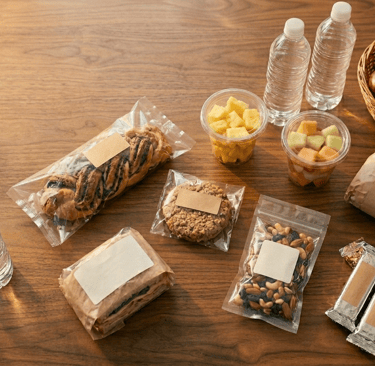
New York City has the largest kosher-keeping population outside Israel, and yet kosher vending — actual machines stocked with reliably certified kosher products — is one of the least-covered topics on the open web. If you're a nonprofit, school, synagogue, JCC, kosher workplace, or senior community in NYC asking the question "can we get a kosher vending machine?" the answer is yes, and this guide explains exactly how.
Lumi Vending is a Queens-based operator that places kosher and kosher-compatible vending machines and micro markets across the five boroughs. This is what we tell every kosher-focused location during onboarding.
What "kosher vending" means
Three different setups all get called "kosher vending" in NYC. They are not the same:
1. Fully kosher machine
Every product in the machine carries a recognized kosher certification (OU, OK, Kof-K, Star-K, CRC, and others). The machine is stocked, restocked, and serviced separately from any non-kosher inventory. This is the standard for synagogues, yeshivas, kosher offices, and observant senior communities. The kosher operation is self-contained — there's no cross-subsidy from non-kosher placements elsewhere.
2. Mostly kosher with clearly labeled exceptions
Most products are kosher-certified; a few items (often coffee creamers, certain bars) are not. The non-kosher items are clearly labeled or excluded. This works for nonprofits and workplaces with a mixed population but a kosher-conscious leadership.
3. Kosher-friendly machine
The product mix happens to include many kosher-certified items, but no formal kosher process is followed. This is what most generic vending operators in NYC offer when asked. It's not true kosher vending, and observant users won't trust it.
When evaluating any operator, ask which of these three they're offering, and ask for it in writing.
What's available in a kosher vending machine in NYC
Snacks (all OU, OK, or equivalent certified)
Kind Bars (OU, parve)
Nature Valley granola bars (OU-D)
Lay's, Doritos, Cheetos (OU)
Pringles original (OU-D, varieties vary)
Pretzels: Bachman, Snyder's of Hanover (OU)
Trail mix and nuts (multiple OU-certified brands)
Cookies: Oreos (OU), Chips Ahoy (OU)
Rice cakes, popcorn, dried fruit (various OU)
Drinks
Coca-Cola, Diet Coke, Sprite (OU)
Pepsi, Mountain Dew (OU)
Poland Spring, Pure Leaf tea (OU)
Gatorade, Powerade (OU)
Snapple (OU)
Bai antioxidant drinks (OU)
Red Bull (OU)
Fresh items (micro market only)
Kosher-certified pre-packaged sandwiches from a certified commissary
Pre-cut fruit cups (kosher-certified facility)
Yogurt: Chobani plain and varieties (OU-D)
Hard-boiled eggs (kosher-certified packer)
Kosher protein boxes and salads from certified suppliers
Cost: is kosher vending more expensive?
For the host: no. The placement is still $0. The operator absorbs the additional sourcing and certification verification work.
For the operator: marginally yes — kosher-certified products typically run 5-15% higher at wholesale than non-certified equivalents, and inventory turnover is sometimes slower in mixed locations. In most NYC settings, retail pricing on kosher items runs roughly $0.25 to $0.50 higher per item than non-certified equivalents to keep the model sustainable. Kosher-conscious users generally accept this because they value the certification — the alternative is no certified option at all.
Who needs kosher vending in NYC (and why generic operators get it wrong)
Synagogues, yeshivas, day schools
Zero tolerance for non-kosher items. Often need parve-only options to handle dairy/meat separation. Need to know whether items are chalav yisrael or rabbinically supervised dairy.
Jewish nonprofits and federations
Met Council, UJA-Federation, Jewish Family Services and similar organizations serve mixed populations but operate in kosher-observant environments.
Senior centers and senior housing
Many NYC senior communities serve observant residents. Kosher vending often pairs with a focus on lower-sodium, lower-sugar, and senior-friendly portion sizes.
JCCs and Jewish community centers
Mixed-use spaces (gym, daycare, programming) need kosher across all settings. Often paired with healthier-only product selection.
Hospitals and medical facilities
Patient family lounges and staff areas in NYC hospitals serving observant communities (Maimonides, Mount Sinai, Montefiore) often require fully kosher vending.
How to set up kosher vending: a 5-step process
1. Confirm your kosher standard
Decide whether you need OU/OK/Kof-K/Star-K level, chalav yisrael, parve-only, or other specific requirements. Get sign-off from your rabbi or oversight committee in writing.
2. Pick the right operator
Ask for: list of certified products they regularly stock, restock verification process, what happens if certification changes, who at the company is the kosher point of contact.
3. Site visit and product approval
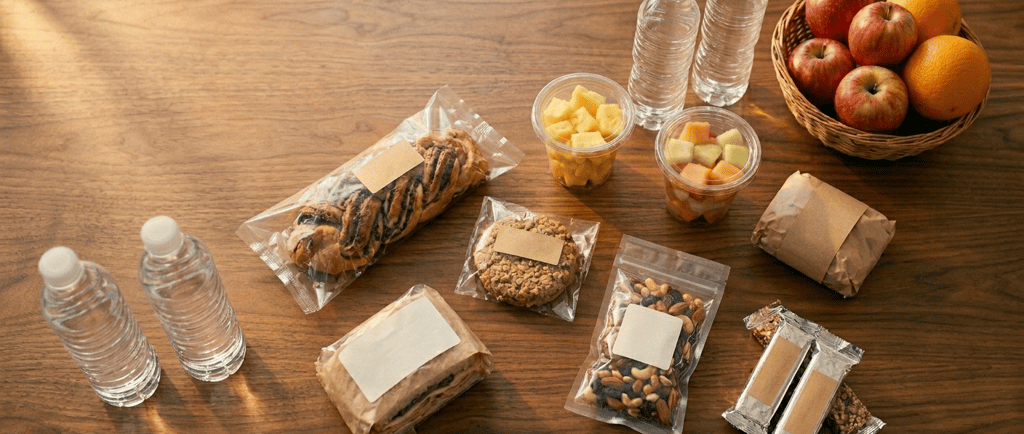
Reputable operators bring a sample basket of certified products for your team or rabbi to approve before the first stock. This is standard at Lumi.
4. Installation and first stock
Machine arrives with only the approved product list. Signage clearly identifies the machine as kosher-certified and lists the certifying agencies represented.
5. Ongoing oversight
Monthly product reviews. Any new product proposed for the machine gets approval before being stocked. Annual certification re-verification.
Frequently asked questions
Can the same machine serve kosher and non-kosher products?
Technically yes if items are individually packaged, but most observant locations require a dedicated machine. The labor and risk of mixing inventory in one machine usually isn't worth it for either side.
Does the vending machine itself need to be kosher-certified?
The equipment doesn't require certification because pre-packaged products don't contact the machine in a way that affects kashrut. What matters is the products inside and the operator's process.
Can I get kosher hot food or kosher fresh sandwiches from a vending machine?
Not from a traditional vending machine, but yes from a kosher micro market with a certified commissary partner. NYC has multiple kosher commissaries that supply pre-packaged sandwiches, salads, and meals. This is a Phase 2 setup.
Is kosher vending available across all five boroughs?
Yes. Lumi places kosher and kosher-friendly machines in Queens, Brooklyn, Manhattan, the Bronx, and Staten Island. The highest concentration of kosher placements is in Queens, Brooklyn, and Lower Manhattan, but borough doesn't limit availability.
How long does it take to set up a kosher vending machine in NYC?
Typical timeline is 3 to 4 weeks from agreement to first stock — slightly longer than a standard machine because of the product approval step. Worth the extra week.
Product certifications and kosher standards in this guide reflect what's accurate in 2026. Kosher certifications change — brands occasionally reformulate products, switch facilities, or lose their hechsher mid-cycle, and certification standards vary across rabbinical authorities. Always verify current certifications directly with the certifying agency (OU, OK, Kof-K, Star-K, and others) and consult your own rabbinical authority for guidance specific to your community's standards. Lumi Vending verifies certifications at every restock.
Need a kosher vending machine or micro market for your NYC organization? Lumi Vending works with synagogues, schools, JCCs, Jewish nonprofits, senior centers, and kosher-conscious workplaces across the five boroughs. We bring a sample basket of certified products to every site visit. Request a kosher consultation.
© 2026 LUMI VENDING
Lumi Vending — Where Convenience Meets Choice.
Based in Queens. Serving all of NYC.